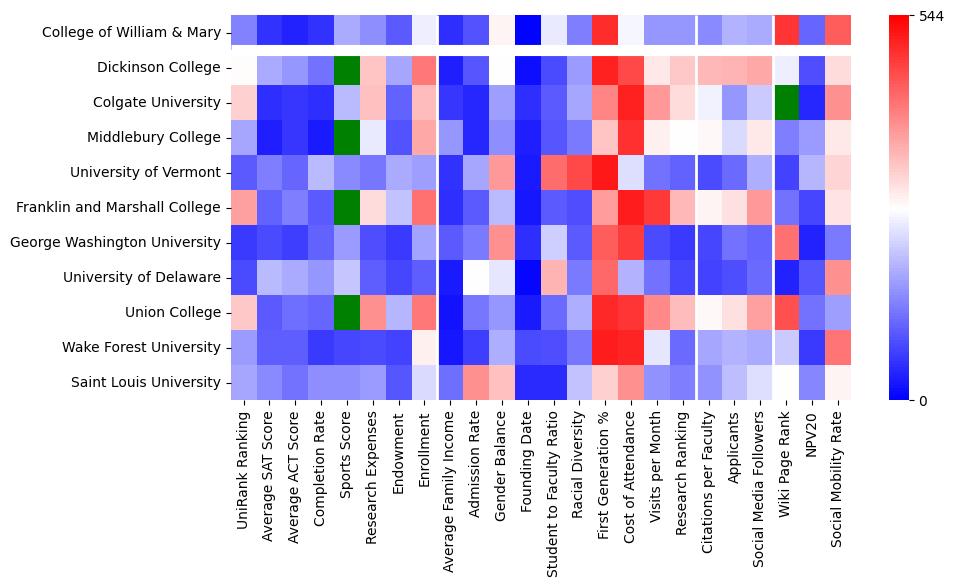
The College of William & Mary, founded in 1693, is the second-oldest institution of higher education in the United States, preceded only by Harvard University. Nestled in the historic city of Williamsburg, Virginia, the college has a profound historical legacy, having educated three U.S. presidents: Thomas Jefferson, James Monroe, and John Tyler. With its enduring commitment to liberal arts education, William & Mary blends a storied past with modern academic offerings, providing students with a unique blend of tradition and innovation.
What sets William & Mary apart is its tight-knit community and dedication to public service. Known for a strong emphasis on undergraduate teaching, the college fosters an environment where students and faculty collaborate closely. The college's Honor Code, one of the oldest in the nation, underscores a campus culture rooted in integrity. Additionally, its picturesque campus, featuring colonial architecture and lush gardens, provides an inspiring setting for students who are encouraged to become global citizens, engaged in service and solution-oriented thinking.
Academically, William & Mary is highly regarded for its rigorous programs. It is consistently ranked among the top public universities in the nation. The college is particularly renowned for its programs in government, international relations, and business, with the Raymond A. Mason School of Business being a standout. The undergraduate research opportunities are robust, with many students participating in projects that often lead to presentations at national conferences or publications. The college's emphasis on interdisciplinary study allows students to explore diverse interests and prepare for a rapidly changing world.
However, William & Mary faces challenges, particularly with its limited financial resources compared to some of its peer institutions. This constraint can impact the availability of scholarships and financial aid, which may pose a barrier for some prospective students. Additionally, while the college's smaller size fosters close-knit relationships, it can sometimes mean fewer course offerings in niche areas. Despite these challenges, the college remains a prestigious institution known for producing graduates who are well-prepared for both advanced study and meaningful careers.